
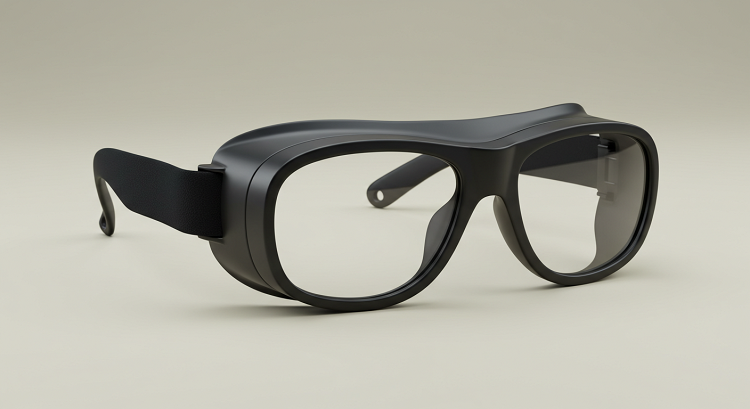
When most people think of workplace safety, they imagine hard hats, steel-toe boots, and gloves. Eye protection often gets overlooked. But in high-risk environments, overlooking it is a serious mistake.
Eye injuries can happen in a second and cause lasting damage. The eyes are incredibly sensitive, and once they’re harmed, the road to recovery is often long and uncertain. In many industries, goggles are the first and last line of defense against accidents that can change lives forever.
So why do they matter so much, and what makes a good pair of goggles so essential in dangerous settings?
The Invisible Risks That Surround Us
Just because something can’t always be seen doesn’t mean it isn’t a threat. Microscopic particles, chemical splashes, intense light, and airborne debris are present in many work zones. A simple task like grinding, welding, or mixing chemicals can expose workers to serious risks in seconds.
Here’s what workers are up against:
- Flying particles – Sparks, shavings, dust, and other fast-moving debris can strike the eye during construction, metalwork, or woodworking.
Chemicals and splashes – In labs or factories, even a small splash of certain liquids can cause chemical burns or long-term vision issues.
Radiation and intense light – Welders and technicians face threats from UV and infrared light that can damage the eye with brief exposure.
Infectious fluids – In medical and lab environments, exposure to blood or bodily fluids can put workers at risk of infection or contamination.
Heat and steam – Hot environments can produce vapor or steam that irritates or harms the eyes on contact.
Dust and fine particles – Mining, milling, and construction sites are full of fine dust that can scratch the eye or worsen respiratory issues if inhaled alongside.
Goggles aren’t a luxury in these settings. They’re essential.
What Makes Goggles Effective?
Not all eye protection is created equal. Goggles are designed to provide a sealed barrier, unlike open-sided safety glasses. That seal makes a big difference. Here’s why prescription safety goggles matter more than standard eyewear:
- Full coverage – Goggles wrap around the eyes, offering more surface protection and reducing exposure from the sides and underneath.
- Secure fit – A tight seal keeps out fine dust, gas, and liquid splashes that would otherwise sneak through gaps in looser eyewear.
- Impact resistance – Most safety goggles are built to withstand high-speed impacts, protecting against flying debris and tools.
- Anti-fog options – In high-heat or humid environments, anti-fog features keep vision clear without needing to remove the goggles and risk exposure.
- Compatibility with other gear – Goggles often work well with helmets or respirators, offering layered protection without getting in the way.
It’s not just about wearing something. It’s about wearing the right thing for the task at hand.
Common Industries That Rely on Goggles
Some work settings make goggles non-negotiable. In fact, for certain industries, showing up without them is the same as showing up unprepared.
Let’s take a look at where goggles are absolutely critical:
1. Construction and Demolition
Dust, debris, and flying fragments are routine hazards. Cutting, grinding, drilling, or tearing down structures exposes workers to sharp particles that can pierce or scratch the eye in an instant.
2. Laboratories
Whether dealing with corrosive chemicals, heat, or biological substances, lab workers need full-seal protection. Even a minor misstep, like opening a container too quickly or mixing the wrong ingredients, can cause splashes or reactions.
3. Manufacturing and Fabrication
Heavy machinery and high-speed processes create a volatile mix of heat, sparks, and airborne contaminants. Goggles keep workers focused on the task instead of constantly dodging hazards.
4. Mining and Oil Fields
Remote and rugged worksites expose teams to dust, rock fragments, and extreme environmental conditions. Without proper eye protection, the risk of lasting injury multiplies.
5. Healthcare and Emergency Response
In high-pressure medical situations, the eye is a direct path for bacteria and viruses. Goggles act as a critical barrier, especially when dealing with trauma or infectious patients.
Real-World Impact of Eye Injuries
The aftermath of an eye injury isn’t just discomfort. It can lead to vision loss, high medical bills, and time off work. In some cases, workers may never return to the same job.
Beyond physical damage, there’s the mental toll. Losing vision or experiencing recurring problems like sensitivity, dryness, or double vision can affect quality of life. And all of this often stems from an incident that could have been prevented with the right gear.
Why Workers Skip Goggles (And Why That Needs to Change)
It’s not uncommon for workers to avoid goggles because they’re uncomfortable, fog up, or feel unnecessary. But these small grievances can lead to major consequences.
Training and enforcement are part of the solution, but design matters too. When goggles fit well, don’t fog, and feel lightweight, compliance improves. The more intuitive and practical the gear is, the more likely it will be worn without complaint.
Managers and team leads play a role here. Ensuring that safety standards include proper eyewear and making sure workers understand why it matters helps build safer habits.
A Clear View of What’s at Stake
When it comes to high-risk work environments, there’s no excuse for cutting corners on eye protection. The right goggles do more than just check a safety box. They provide a physical barrier between workers and the countless risks they face each day.
For anyone stepping into a dangerous workspace, proper eye protection isn’t optional. It’s the difference between a near-miss and a life-changing injury. So while gloves protect hands and boots guard feet, goggles protect something far more fragile — vision.
Keep them on. Keep them sealed. Keep your eyes safe.