
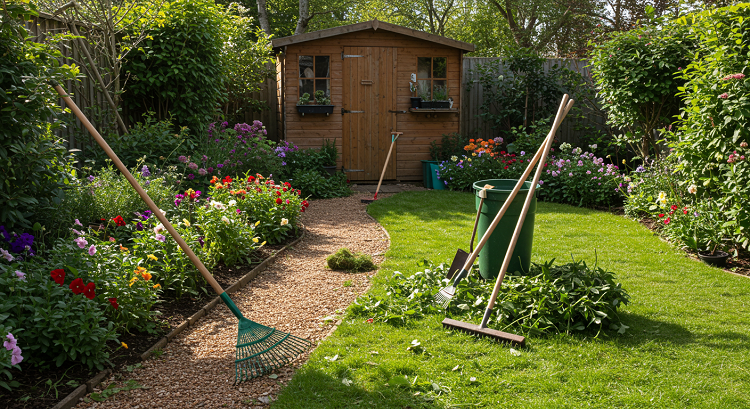
Anyone who’s tackled a big garden cleanup knows it’s not just about cutting back plants or raking up leaves. It’s about working smarter, not harder. Planning ahead makes a huge difference, and getting the right tools in place before you start can save you hours of effort. Whether you’re prepping for spring growth or clearing out at the end of the season, the right approach will make everything more manageable.
Let’s break down some simple ways to keep your cleanup streamlined, effective, and a lot less frustrating.
1. Invest in a solid wheelbarrow
This is a must. A reliable Worx wheel barrow changes the entire flow of a garden cleanup. It allows you to move piles of debris, soil, or tools across your yard in fewer trips and with less strain. One with sturdy wheels and a deep tray will handle a surprising amount of weight without wobbling or tipping.
Avoid lightweight or small ones. They might seem easier to maneuver, but you’ll end up making more trips and wasting more energy. Look for something with a balanced build and handles that are comfortable to grip, especially if you’ll be using it for extended periods.
2. Or even better, get two
If you’ve got a larger space or you’re doing a joint cleanup with someone else, having two wheelbarrows can help split the load. One can carry waste while the other holds tools, soil, or mulch. You won’t need to stop and unpack or reload constantly. And if one breaks down mid-cleanup, you won’t be stuck.
3. Clear your toolshed before you start
It’s easy to underestimate how much time you waste running back and forth because you can’t find your rake or gloves. Before you even touch a weed, open up your shed or garage and do a quick inventory.
- Check your basics – Gloves, rake, pruners, spade, shears
- Sharpen blades – Dull tools slow you down and make clean cuts harder
- Clean handles – Grimy tools can lead to blisters or even accidents
- Group by task – Put everything you’ll need for pruning in one pile, raking in another
Setting things up ahead of time helps you avoid those little breaks that add up over the day.
4. Use a tarp as your best cleanup partner
Dragging leaves or weeds across the yard is tiring. A tarp laid out near where you’re working gives you an easy place to toss everything, and when it’s full, you can simply drag it away. It’s much easier than trying to carry armfuls back and forth or struggling to fill a bin directly.
Tarps also help keep your lawn from getting muddy or torn up if you’re working in damp soil. They give you a clean surface to work off, especially helpful if you’re digging, cutting, or trimming.
5. Tackle one area at a time
Trying to clean everything all at once is a guaranteed way to burn out. Instead, divide your space into sections and focus on one until it’s completely done. Start with the most overgrown or problem areas first while you still have energy.
This method helps you see progress faster. It also keeps you from leaving half-finished piles scattered around, which only adds more cleanup later.
6. Know what you’re throwing out
Not all garden waste should go into one big pile. Some materials can be composted, some should be bagged, and others might need to be taken to a disposal site.
- Green waste – Leaves, grass clippings, and plant trimmings are compost-friendly
- Weeds with seeds – Best to bag and toss, not compost, to avoid reseeding
- Woody branches – May need to be cut down smaller before disposal
- Diseased plants – Don’t compost these; they can spread issues to healthy plants
Planning ahead for where each type of waste will go saves you from double-handling it later.
7. Prune with a purpose
Cutting everything back without a plan can actually do more harm than good. Some plants benefit from heavy pruning in spring, while others should be left alone until later in the year. Make sure you know what needs trimming and how much to take off.
Focus on removing dead, damaged, or diseased branches first. Then, look at shape and structure. Clear out anything growing inward or crossing over. This encourages healthier growth and keeps your garden looking tidy without overdoing it.
8. Keep cleanup weather-friendly
Try to avoid windy days. Blowing leaves, dust, and debris will undo your work in seconds. Wet days are just as bad, especially if you’re dealing with clay-heavy soil that sticks to everything. Aim for dry, mild weather if possible. It’ll make your tools work better and help you move faster without slipping or getting bogged down.
9. Don’t forget the hardscapes
It’s easy to focus only on the plants, but paths, patios, and fences need attention too. Sweep away built-up debris, hose down surfaces, and pull weeds growing between paving stones. Clean lines around hardscaping make a garden feel finished, even if everything isn’t blooming yet.
Use a stiff brush or flat-edge tool to clean up the edges of paths. A small detail like that can make your whole garden feel sharper and more put-together.
10. Finish with mulch or cover
Once everything’s cleared, pruned, and cleaned, it’s smart to lay down mulch or another type of ground cover. This not only locks in moisture and prevents weeds, it also gives your garden a fresh, tidy look.
Choose something that works well with your soil type and the kinds of plants you’re growing. Even a thin layer makes a big visual and functional difference.
Ready for the next season
A smooth garden cleanup isn’t about rushing through it. It’s about being intentional. With the right gear, a little bit of prep, and a clear plan, you can turn a messy yard into a manageable project. Whether you’re prepping for planting or just trying to reset the space, following a solid routine will save you time and effort. And the best part? You’ll get to enjoy the results a lot sooner.